Assessing Dubay's Role in Sustainable Agriculture
Connecticut's agricultural sector is undergoing a transformation, with increasing emphasis on sustainable practices. Dubay's Tractor, a long-standing supplier to Connecticut farmers, finds itself at a critical juncture. While providing essential equipment, Dubay's needs to actively contribute to the state's sustainable agriculture goals. How can they best leverage their position to promote environmentally friendly farming methods? This analysis examines Dubay's current efforts, proposes actionable strategies, and addresses potential challenges. For more information on local tractor suppliers, check out this Connecticut tractor supply.
Dubay's Current Sustainability Efforts: A Preliminary Assessment
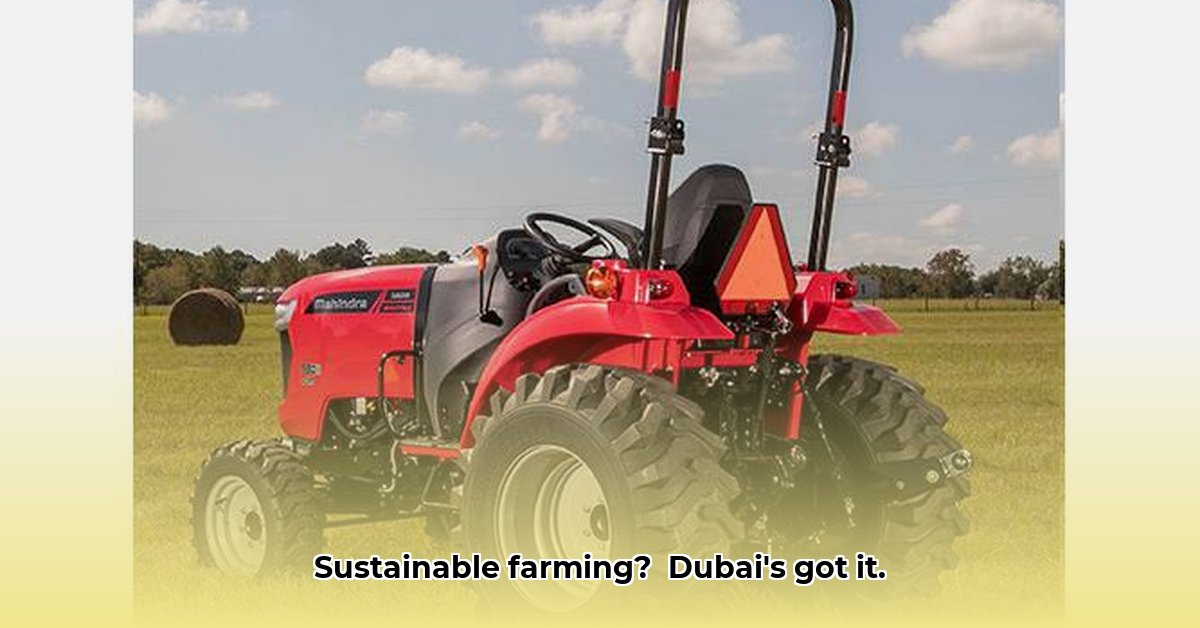
Currently, Dubay's Tractor offers fuel-efficient options like Mahindra tractors and Ariens zero-turn mowers. However, a comprehensive assessment of their overall sustainability practices is lacking. Their website primarily focuses on equipment sales and service, providing limited information on their commitment to eco-conscious farming. This lack of transparency presents a significant opportunity for improvement. How can Dubay demonstrate a clear commitment to sustainable agriculture beyond simply offering fuel-efficient models? This requires a more proactive and transparent approach.
Short-Term Strategic Initiatives: Immediate Actions
To enhance their sustainability profile and better serve their customers, Dubay's Tractor should implement the following short-term strategies within the next year:
Comprehensive Sustainability Audit: Conduct a detailed analysis of their entire equipment lineup, evaluating fuel efficiency, emissions, and overall environmental footprint. This data will be crucial for future planning.
Enhanced Customer Education: Develop comprehensive marketing materials, online resources, and comparison charts highlighting the environmental benefits of fuel-efficient models. Make sustainable choices readily apparent to farmers.
Strategic Partnerships: Collaborate with local agricultural organizations and sustainability experts to host workshops, seminars, and educational resources focused on best practices in sustainable farming. This builds credibility and positions them as leaders.
Long-Term Sustainability Vision: A Roadmap for the Future
Over the next three to five years, Dubay's should develop a comprehensive, long-term sustainability plan with measurable environmental objectives:
Formal Sustainability Plan: Define concrete goals emphasizing carbon emission reduction, water conservation, and waste minimization. Establish a clear framework for tracking progress and reporting results.
Expand Sustainable Equipment Offerings: Proactively explore and acquire additional environmentally friendly equipment, including precision agriculture technologies and potentially alternative energy-powered machinery (e.g., solar-powered irrigation systems).
Strengthen Community Engagement: Continue and expand partnerships with environmental organizations and agricultural extension services to enhance their expertise and broaden their impact on the community.
Addressing Challenges and Mitigating Risks
Several challenges could hinder Dubay's transition to greater sustainability:
Dependence on Traditional Equipment: A gradual shift towards sustainable models must be managed carefully to avoid alienating existing customers.
Lack of Publicly Available Environmental Data: Conducting and publishing thorough life-cycle assessments of their equipment will build transparency and trust.
Limited Geographical Reach: Consider strategic partnerships with other dealerships or expansion into new areas to broaden their impact.
Need for Enhanced Customer Education: Invest in robust educational materials and training programs to help farmers understand the benefits of sustainable practices and equipment.
This table summarizes the risks and recommended mitigation strategies:
| Risk Factor | Mitigation Strategy |
|---|---|
| Reliance on traditional equipment | Phased introduction of sustainable equipment, coupled with comprehensive farmer training. |
| Lack of environmental data | Conduct thorough life-cycle assessments and publish this data prominently online. |
| Limited geographical reach | Explore strategic partnerships or cautiously expand operations to reach more farmers. |
| Lack of customer education | Develop engaging educational resources, including workshops, online tutorials, and webinars. |
Conclusion: Dubay's Role in Connecticut's Sustainable Agricultural Future
Connecticut's agricultural sustainability hinges on the adoption of environmentally conscious farming methods. Dubay's Tractor is uniquely positioned to support this transition. By implementing the strategies outlined above—through transparent communication, continuous education, and investment in sustainable options—Dubay’s can solidify its leadership in Connecticut's sustainable agricultural movement. The future of farming is sustainable; Dubay's has a crucial role to play in shaping that future.